Traumatic Brain Injuries: Classification and Initial Treatment
Learn about traumatic brain injuries, their types and severity, modern classification methods, and essential emergency care and initial treatment to reduce complications and improve recovery.
Why Are Traumatic Brain Injuries Serious?
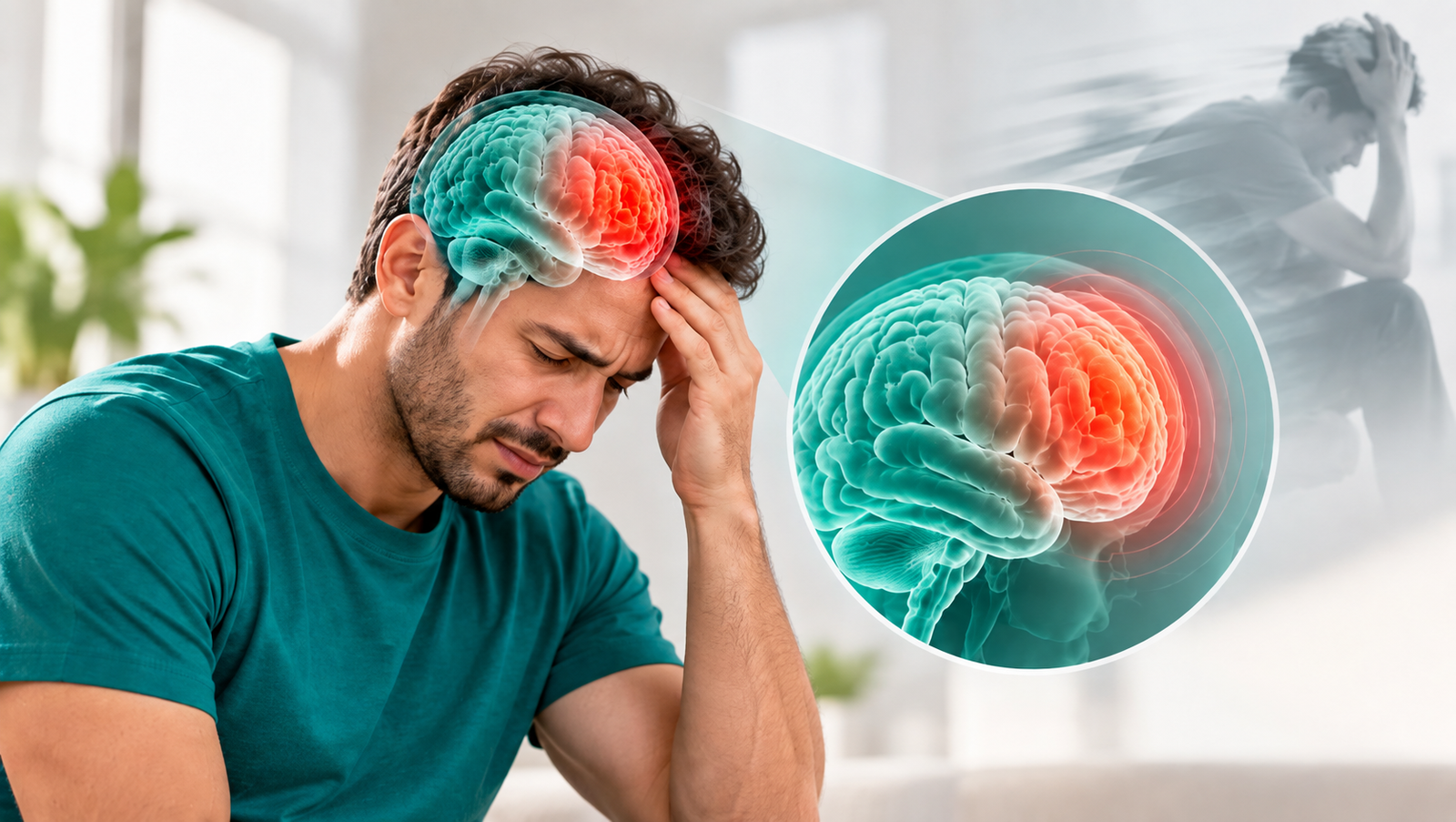
Traumatic brain injuries (TBI) are among the most serious medical conditions. Their severity ranges from mild injuries that improve over time to severe injuries that may cause permanent disability or become life-threatening.
Some brain injuries may not be immediately apparent, while complications can develop over the following hours or days. Accurate classification and early medical intervention are therefore essential to improving outcomes and minimizing brain damage.
Classification of Traumatic Brain Injuries
Traumatic brain injuries are classified according to the nature of the injury, its severity, the mechanism of injury, and the timing of brain damage.
Classification by Nature of Injury
Closed Head Injuries
Closed head injuries result from a direct impact or sudden movement of the head without penetration of the skull. Common causes include road traffic accidents, falls, and contact sports.
Open or Penetrating Head Injuries
Open or penetrating head injuries occur when a skull fracture allows a foreign object to enter the brain. Their severity depends on the trajectory of the injury and the extent of damage to the surrounding neural tissue.
Focal and Diffuse Brain Injuries
Focal Brain Injuries
Focal brain injuries affect a specific area of the brain and can usually be identified through medical imaging. Examples include fractures, intracranial hemorrhage, and cerebral contusions.
Diffuse Brain Injuries
Diffuse brain injuries typically result from rapid acceleration or deceleration of the head. Diffuse axonal injury (DAI) is a significant example, involving widespread damage to nerve fibers. It may lead to coma and can be difficult to detect using conventional imaging techniques.
Classification by Timing of Brain Damage
Primary Brain Injury
Primary brain injury occurs at the moment of trauma as a direct result of the initial impact.
Secondary Brain Injury
Secondary brain injury develops after the initial trauma due to oxygen deprivation, brain swelling, increased intracranial pressure, or chemical disturbances within the brain. Prompt medical intervention is essential to prevent further neurological damage.
Severity of Traumatic Brain Injuries
The Glasgow Coma Scale (GCS) is used to assess the severity of traumatic brain injuries. Mild brain injuries have a GCS score of 13–15 and are often associated with temporary confusion or a brief loss of consciousness. Moderate brain injuries have a GCS score of 9–12 and require close medical monitoring. Severe brain injuries have a GCS score of 3–8 and may be accompanied by coma, requiring urgent medical intervention to preserve the patient's life and prevent further brain damage.
Recent Developments in Brain Injury Classification
In 2025, a modern multidimensional framework for classifying traumatic brain injuries, known as M-CBI, was introduced.
This framework incorporates the patient's clinical condition, pupillary response, medical imaging findings, laboratory biomarkers, injury mechanism, and overall health status.
It aims to improve diagnostic accuracy and guide treatment decisions but remains under development before widespread adoption.
Common Types of Closed Brain Injuries
Closed brain injuries include several common conditions. Concussion is the most common type and is frequently associated with headaches, dizziness, and difficulty concentrating. Cerebral contusions involve localized bleeding within the brain tissue, while diffuse axonal injury causes widespread damage to nerve fibers and may result in coma.
Intracranial hematomas are another serious type of injury and may require immediate surgical intervention.
Initial Treatment of Traumatic Brain Injuries
Initial treatment focuses on rapid medical assessment, protecting the injured person, and maintaining airway patency, adequate breathing, and circulation.
The medical team carefully controls bleeding, avoids unnecessary movement of the injured person unless supervised by a qualified professional, and ensures that unnecessary medications are not administered without medical supervision.
In moderate and severe traumatic brain injuries, the primary goal is to prevent secondary brain injury by maintaining adequate blood oxygen levels, controlling blood pressure, performing repeated neurological assessments, and involving the neurosurgical team early.
When Is Emergency Medical Attention Required?
Immediate emergency medical attention is required following a head injury if symptoms include loss of consciousness, worsening headaches, repeated vomiting, confusion, difficulty speaking or walking, seizures, weakness in an arm or leg, or blood or fluid leaking from the nose or ear.
These warning signs are particularly important in children.
Traumatic Brain Injury Care at Neuron Clinics
At Neuron Clinics, our neurosurgery consultants and specialists provide comprehensive care for patients with traumatic brain injuries of varying severity, from mild to moderate and severe cases.
Our approach includes thorough neurological assessment, reviewing medical imaging results, individualized treatment planning, and ongoing follow-up, with surgical intervention when necessary.
Our goal is to minimize complications, preserve neurological function, and improve both short-term and long-term outcomes.