Concussion: Causes, Symptoms, Diagnosis and Treatment
Learn about the causes and symptoms of concussion, warning signs that require emergency care, diagnosis, treatment and when to seek medical attention for a safe recovery.
What Is a Concussion?
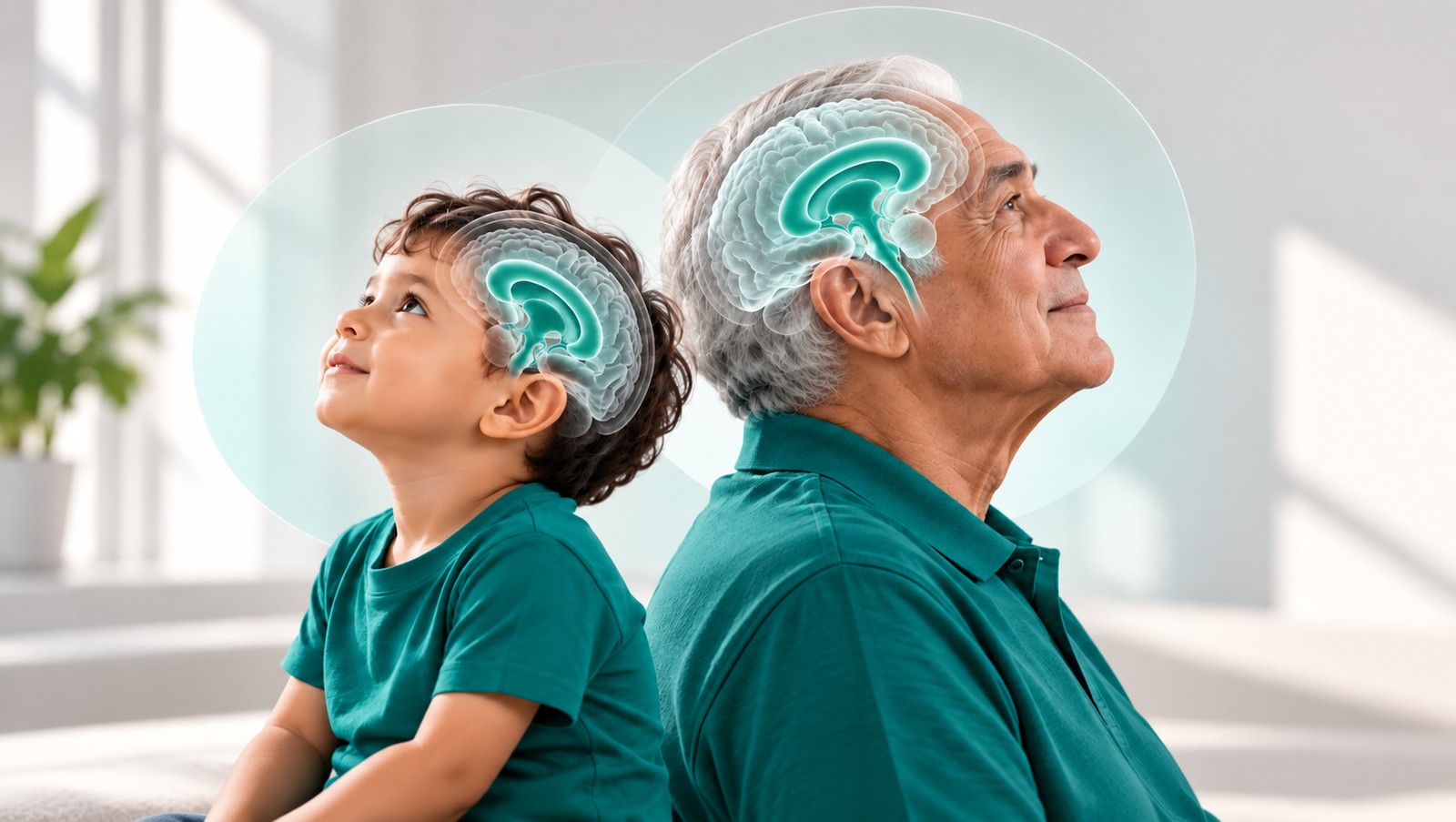
A concussion is a mild form of traumatic brain injury (TBI) caused by a sudden impact to the head or body that makes the brain move rapidly inside the skull.
This movement can trigger temporary chemical changes in the brain and disrupt normal brain function, even when there are no visible signs of external injury. Although classified as a mild brain injury, a concussion requires appropriate care to help prevent complications.
Causes and Risk Factors
Concussions can result from various incidents, most commonly falls, particularly among children and older adults, road traffic accidents, even without a direct impact to the head, and sports involving frequent falls or collisions.
Repeated concussions increase the risk of complications, potentially causing symptoms to persist for longer periods and contributing to cognitive or psychological difficulties.
Symptoms of a Concussion
Concussion symptoms may appear immediately after an injury or develop over the following hours or days.
Physical symptoms include headaches, dizziness, balance problems, sensitivity to light or noise, and nausea during the first few hours after the injury.
Patients may also experience cognitive symptoms, such as difficulty concentrating, slower thinking and brain fog, alongside emotional changes, including irritability and mood swings.
Sleep disturbances may also occur, including excessive sleep or difficulty sleeping.
Warning Signs That Require Emergency Care
Certain symptoms may indicate a more serious brain injury and require immediate medical attention.
These warning signs include loss of consciousness, repeated vomiting, a severe, progressively worsening headache, difficulty speaking or walking, weakness in an arm or leg, and seizures.
In infants and young children, warning signs may include persistent crying, unusual lethargy, or refusal to feed or eat.
How Is a Concussion Diagnosed?
Diagnosis is based on a comprehensive medical assessment, including a review of the patient's medical history, a neurological examination, and a cognitive assessment of memory, concentration and processing speed.
Brain imaging is not routinely required for every patient with a concussion. It is generally reserved for cases involving severe symptoms or clinical deterioration, in accordance with current medical recommendations.
Treatment and Recovery After a Concussion
Treatment focuses on relative rest during the first 24 to 48 hours, avoiding physical and mental activities that worsen symptoms.
After this initial period, patients can gradually resume their daily activities while monitoring their symptoms.
A phased return to school or work is recommended, with appropriate accommodations when needed. Driving and sports should be avoided until concentration and reaction times have improved.
Simple pain relievers, such as paracetamol (acetaminophen), may be used when necessary, while certain medications should be avoided during the first few days after the injury.
Prevention and When to See a Doctor
Preventive measures, including wearing helmets, using seat belts and following sports safety guidelines, can help reduce the risk of concussion.
Medical attention should be sought if symptoms persist for more than two weeks, become more severe, or if any warning signs develop.
Concussion Care at Neuron Clinics
At Neuron Clinics, we provide comprehensive assessments for patients with concussions, closely monitor their symptoms, and develop individualized treatment plans to support a safe and gradual recovery.