Cervical Disc Herniation: Symptoms, Diagnosis and Treatment
Learn about cervical disc herniation, its causes, symptoms, diagnostic methods, conservative and surgical treatment options, and when medical attention is necessary to prevent neurological complications.
What Is Cervical Disc Herniation?
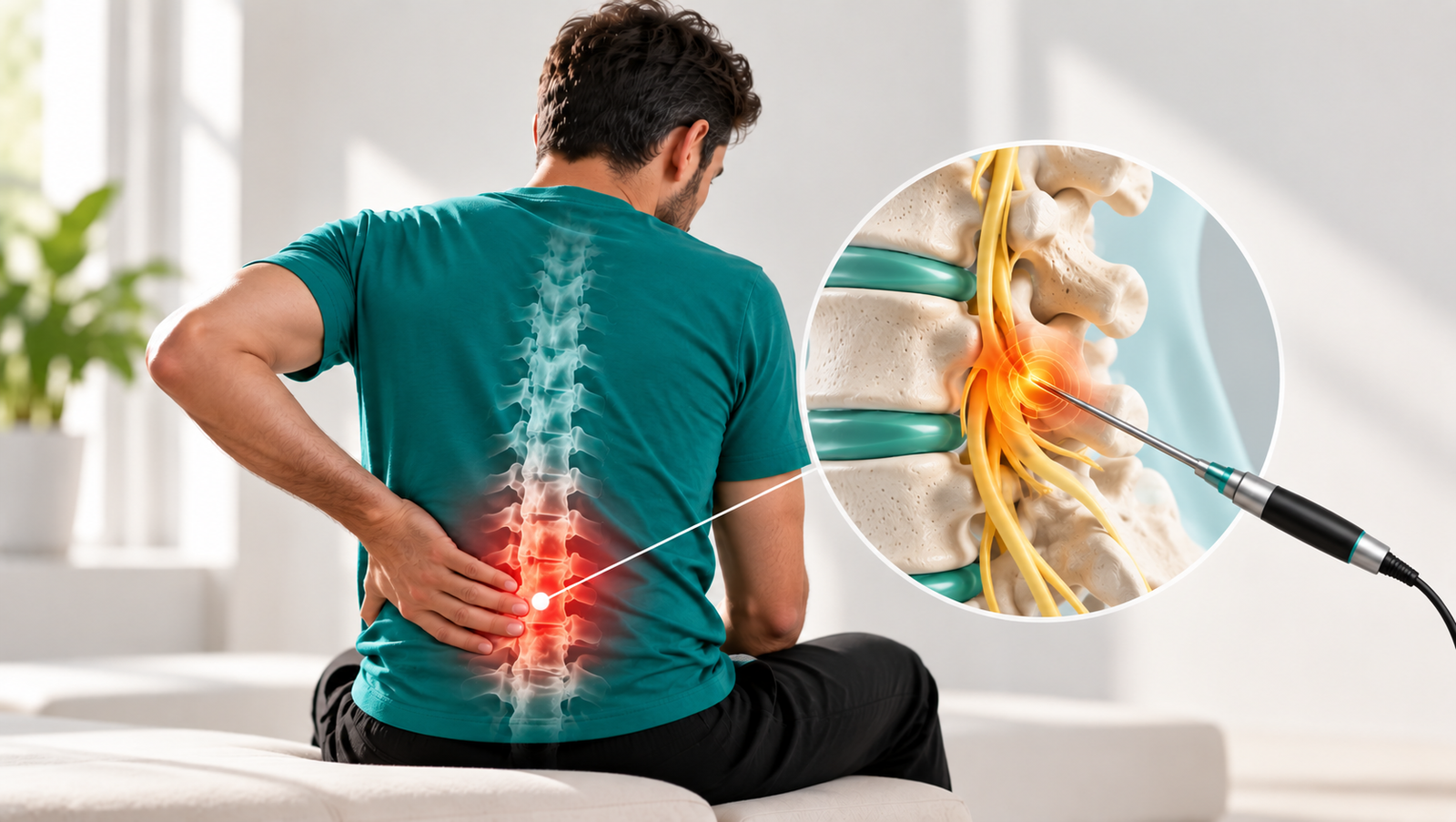
The cervical spine consists of seven vertebrae separated by intervertebral discs that absorb shock and allow movement. Each disc has a soft, gel-like center surrounded by a strong fibrous outer ring. When this outer layer becomes damaged due to degeneration or sudden pressure, the inner material may protrude and compress the spinal nerves or spinal cord.
Cervical disc herniation, commonly known as a slipped disc in the neck, can cause neck pain that extends to the shoulder or arm, sometimes accompanied by numbness, tingling or muscle weakness. It often develops due to age-related degenerative changes or injury. Although most common in people aged 30–50, it can occur at any age.
Symptoms of Cervical Disc Herniation
Symptoms vary depending on the affected disc and the degree of nerve compression.
Most patients experience neck pain that worsens with movement and may radiate to the shoulder, arm or hand. This is known as radicular pain and may be accompanied by numbness, tingling or weakness in the arm or hand.
Less commonly, spinal cord compression may cause advanced neurological symptoms, including weakness in the arms or legs, difficulty walking or maintaining balance, and loss of bladder or bowel control. These symptoms require urgent medical assessment.
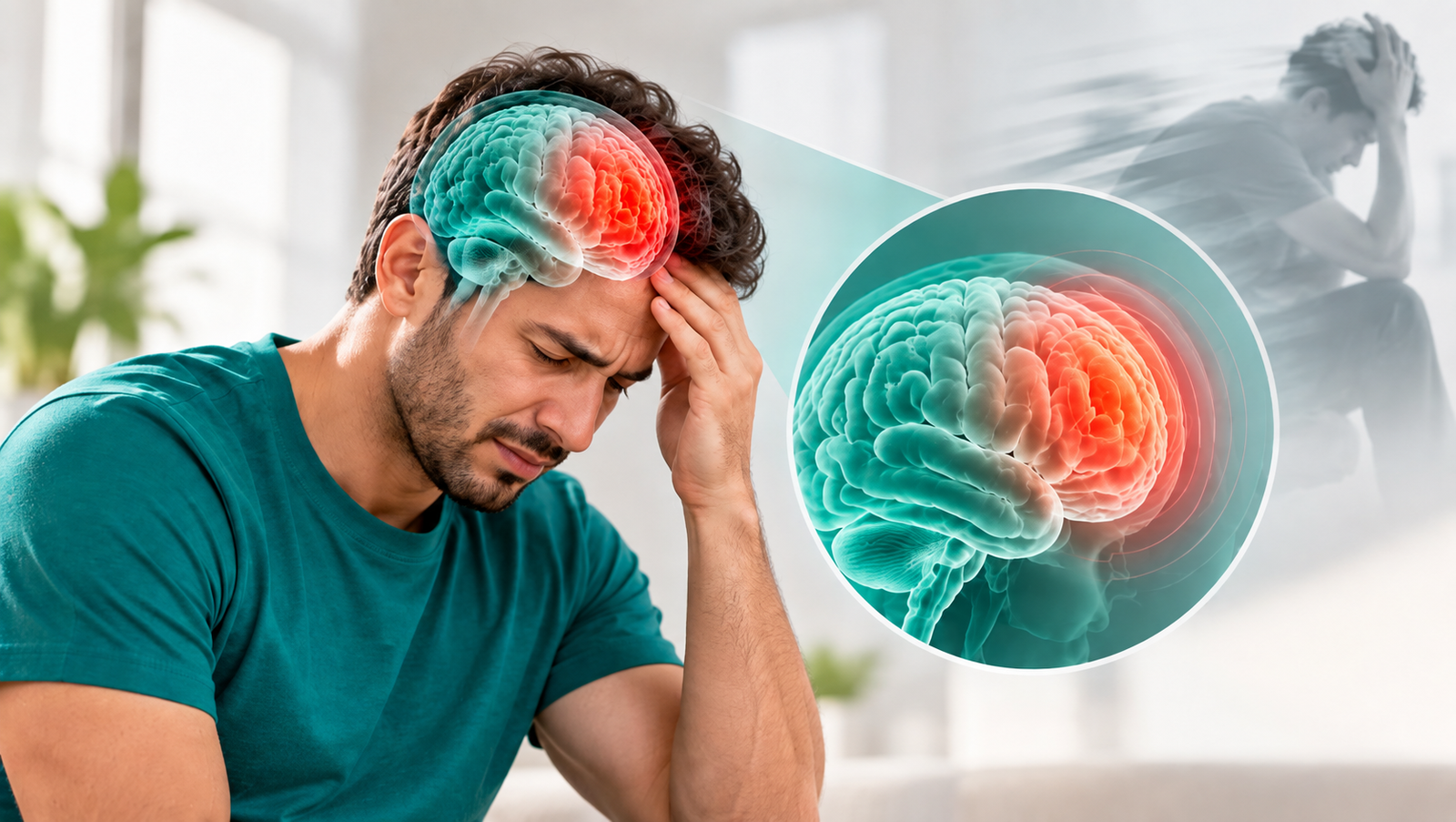
Some patients with neck problems may also experience headaches. However, headaches have multiple possible causes and do not necessarily indicate cervical disc herniation. Similarly, neck pain may sometimes be accompanied by dizziness, but dizziness is not always caused by a herniated cervical disc. A comprehensive medical assessment is necessary to determine whether these symptoms are related.
Causes and Risk Factors
Age-related degeneration and loss of disc elasticity are among the most common causes of cervical disc herniation. Injuries, trauma and repetitive twisting movements may also contribute to its development.
Risk factors include prolonged sitting, improper heavy lifting, obesity, smoking and genetic factors. Cervical disc herniation is also reported more frequently in men.
Diagnosis of Cervical Disc Herniation
Diagnosis is based on the patient's medical history and a thorough clinical and neurological examination.
Magnetic resonance imaging (MRI) is the preferred imaging method for identifying the affected disc and determining the degree of compression on the spinal nerves or spinal cord.
In certain cases, computed tomography (CT), nerve conduction studies (NCS), or electromyography (EMG) may be requested to provide a more detailed assessment.
Treatment of Cervical Disc Herniation
Conservative Treatment
Initial treatment generally focuses on conservative approaches, as most patients improve without surgical intervention.
Treatment may include temporary rest, pain relievers, anti-inflammatory medications and physical therapy aimed at strengthening the neck and shoulder muscles and improving posture.
Interventional Injections
In selected cases, interventional injections, such as corticosteroid injections around the affected nerve root or into the epidural space, may be used to relieve pain.
Surgical Treatment
Surgical treatment is recommended only when symptoms persist for an extended period without improvement, or when severe weakness or advanced neurological symptoms develop due to significant compression of the spinal nerves or spinal cord.
Prevention and When to Seek Medical Attention
Maintaining proper sitting posture, performing muscle-strengthening exercises, avoiding smoking and maintaining a healthy weight can help reduce the risk of cervical disc herniation.
Medical consultation is recommended when pain persists, interferes with daily activities, or is accompanied by severe numbness or weakness.
Advanced neurological symptoms, including limb weakness, difficulty walking or maintaining balance, and loss of bladder or bowel control, require urgent medical assessment.
Cervical Disc Herniation Care at Neuron Clinics
At Neuron Clinics, our neurosurgery and spine surgery consultants and specialists provide comprehensive assessment and treatment for patients with cervical disc herniation.
An individualized treatment plan is developed according to each patient's condition, ranging from conservative treatment and physical therapy to interventional injections when needed, with surgical intervention for cases that require it.
Treatment aims to relieve pain, improve mobility and enhance quality of life.